
How AI Will Revolutionize Structural Engineering in the Future
AI is set to dramatically transform structural engineering, bringing numerous advancements and improvements. Here are several key areas where AI will have a significant impact:
Design Optimization
- Efficient and Sustainable Structures: AI algorithms can optimize structural designs for material usage, cost, and performance, resulting in more efficient and sustainable structures.
- Generative Design: AI-powered generative design techniques can explore a wide range of design options and identify the best solutions based on predefined criteria.
Predictive Maintenance and Monitoring
- Failure Prediction: AI can analyze data from sensors and monitoring systems to predict potential failures and maintenance needs before they occur.
- Proactive Maintenance: Machine learning models can identify patterns and anomalies in structural health monitoring data, enabling proactive maintenance strategies.
Construction Automation
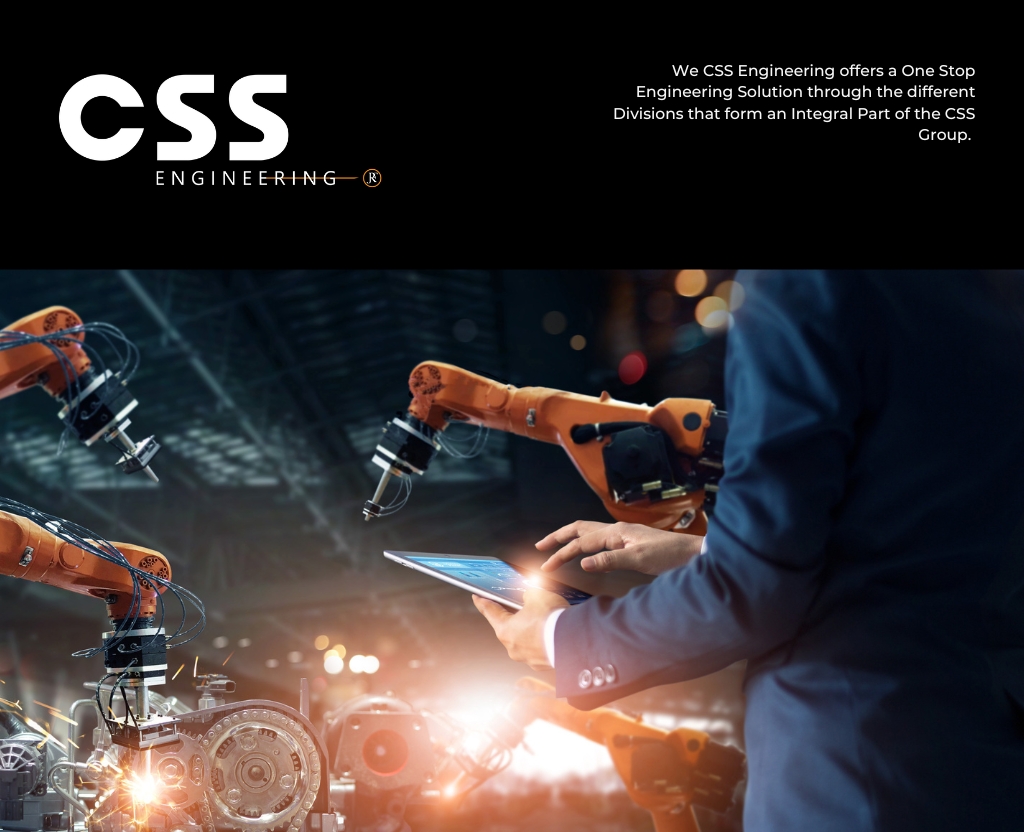
- Precision and Cost Reduction: AI-driven robots and automated machinery can assist in construction tasks, improving precision and reducing labor costs.
- Safety and Efficiency: Autonomous construction equipment can perform repetitive and hazardous tasks, enhancing safety and efficiency on construction sites.
Structural Health Monitoring
- Real-Time Assessments: AI can process large volumes of data from IoT devices and sensors embedded in structures to provide real-time health assessments.
- Early Issue Detection: Advanced analytics can detect subtle changes in structural behavior, indicating potential issues early on.
Risk Assessment and Management
- Enhanced Risk Prediction: AI can improve risk assessment by analyzing historical data, environmental conditions, and structural performance to predict potential risks.
- Decision Support Systems: AI-powered decision support systems can help engineers evaluate different risk mitigation strategies.
Improved Design Tools
- Advanced CAD Software: AI can enhance computer-aided design (CAD) software, making it more intuitive and capable of handling complex design scenarios.
- Innovative Solutions: AI-driven design tools can assist engineers in creating more innovative and efficient structural solutions.
Energy Efficiency and Sustainability
- Optimized Building Operations: AI can optimize the design and operation of buildings to improve energy efficiency and reduce environmental impact.
- Sustainable Practices: Sustainable design practices can be enhanced through AI-driven simulations and assessments.
Enhanced Simulation and Analysis
- Faster and Accurate Modeling: AI can accelerate finite element analysis (FEA) and other simulation techniques, allowing for faster and more accurate modeling of complex structures.
- Predictive Modeling: Machine learning models can predict structural behavior under various conditions, reducing the need for extensive physical testing.
Construction Management
- Optimized Project Management: AI can improve project management by optimizing scheduling, resource allocation, and cost estimation.
- Effective Planning: Predictive analytics can help identify potential delays and issues, enabling more effective project planning.
Material Innovation
- Development of New Materials: AI can assist in developing new construction materials with improved properties and performance.
- Behavior Prediction: Machine learning models can predict the behavior of novel materials under different conditions, accelerating the innovation process.
Enhanced Collaboration
- Improved Communication: AI-powered collaboration tools can facilitate communication and coordination among project stakeholders, improving overall project outcomes.
- Immersive Experiences: Virtual and augmented reality, combined with AI, can provide immersive experiences for design reviews and construction planning.
Regulatory Compliance and Safety
- Automatic Compliance Checks: AI can help ensure compliance with building codes and regulations by automatically checking designs against standards.
- Enhanced Safety Analysis: Safety analysis and risk assessment can be enhanced through AI-driven simulations and predictive models.
Overall, AI has the potential to revolutionize structural engineering by making processes more efficient, accurate, and sustainable. It will enable engineers to tackle complex challenges, optimize designs, and enhance the overall safety and performance of structures.