
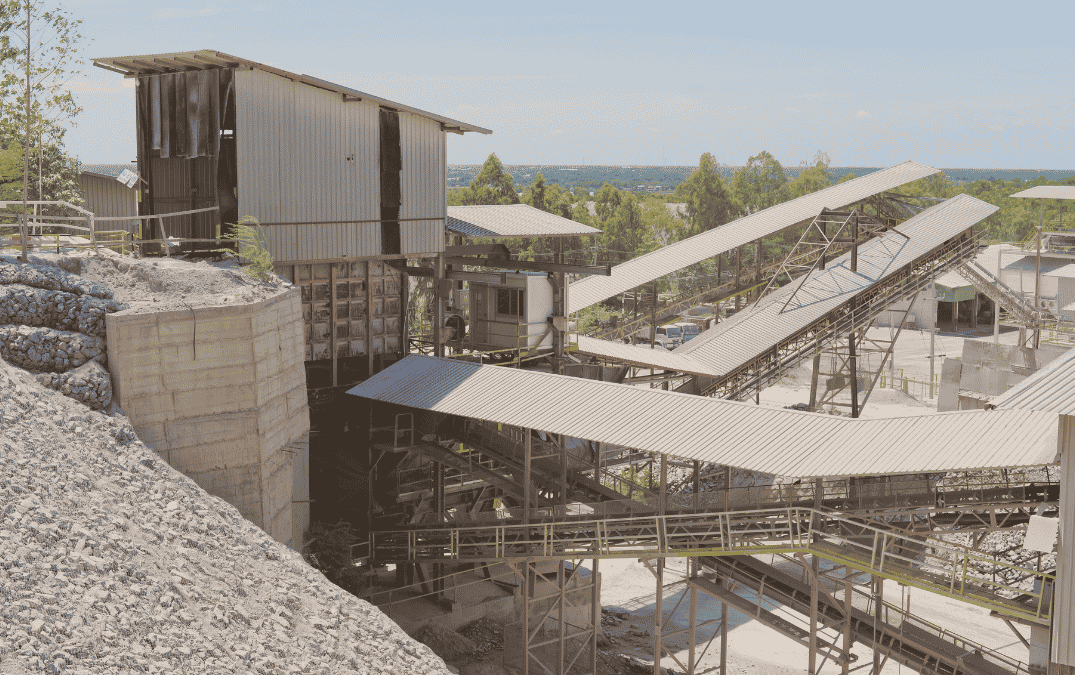
Poor plant layout increases maintenance costs because it makes equipment harder to access, slows down repairs, increases material handling risks and creates unnecessary strain on people, machinery and production flow. In mining and industrial environments, layout decisions made during the design phase can directly affect how quickly a plant can be inspected, maintained, repaired and brought back online after a breakdown.
For mining operations, process plants, crushing circuits, screening plants, conveyors, pump stations and processing facilities, maintenance is not just a technical requirement. It is a cost-control function. When the plant layout does not support safe access, logical process flow and efficient maintenance planning, small issues can quickly turn into expensive downtime.
This is why CSS Engineering places strong focus on practical plant design, process flow, layout accuracy and maintainability from the beginning of a project. A plant must not only fit the available space. It must also function efficiently, allow safe maintenance access and support long-term operational reliability.
The Link Between Plant Layout and Maintenance Costs
A plant layout determines where equipment is positioned, how materials move through the process, how maintenance teams access machinery and how safely people can work around the plant. When this layout is poorly planned, the maintenance team often pays the price long after construction is complete.
A poor layout can increase costs by causing:
- Longer repair times
- Difficult equipment access
- More frequent component wear
- Unsafe maintenance conditions
- Higher labour requirements
- Increased use of lifting equipment
- Production delays during inspections
- More damage from material handling
- Additional shutdown time
- Poor coordination between operations and maintenance teams
In other words, poor layout does not only affect construction efficiency. It affects the entire life cycle of the plant.
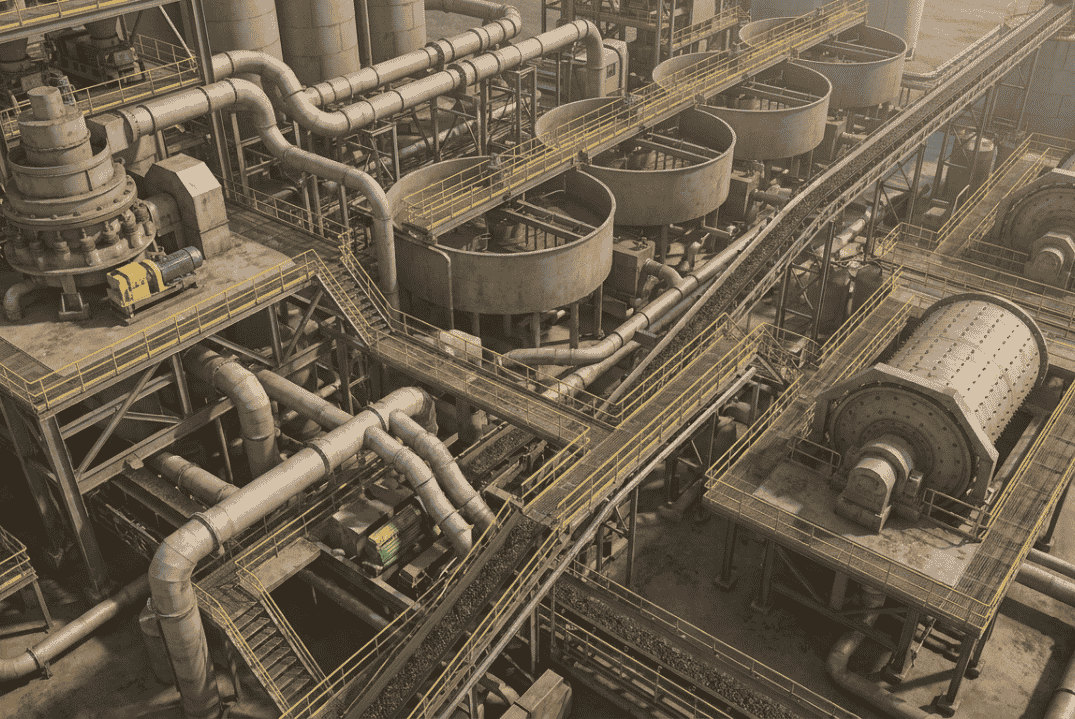
1. Limited Maintenance Accessibility
One of the biggest reasons poor plant layout increases maintenance costs is limited access to equipment. When machines are installed too close to walls, platforms, structural steel, conveyors or other equipment, maintenance teams may struggle to reach the parts that need inspection or replacement.
This becomes a major issue when technicians need to remove motors, gearboxes, pumps, screens, chutes, liners, belts or other heavy components. If there is not enough clearance around the equipment, a simple repair can become a complicated lifting and rigging operation.
Poor maintenance access can result in:
- Extra labour hours
- Delayed repairs
- Increased shutdown time
- Higher equipment hire costs
- Increased safety risks
- More complicated maintenance planning
For example, if a gearbox cannot be removed without dismantling nearby equipment, the cost of that repair increases immediately. The maintenance team may need a crane, forklift, scaffolding or temporary platforming just to reach the problem area.
A good plant layout allows maintenance teams to access critical equipment safely and quickly. Walkways, lifting points, service areas and inspection routes should be considered during the design stage, not added as an afterthought.
2. Poor Process Flow Creates Unnecessary Wear
Plant layout also affects how material moves through the facility. In mining and industrial plants, materials may move through crushers, screens, conveyors, transfer points, hoppers, chutes, pumps or processing equipment. If the layout creates unnecessary transfer distances, sharp flow changes or overloaded movement paths, the plant can experience higher wear and tear.
Poor process flow can cause:
- More conveyor wear
- Blockages at transfer points
- Increased spillage
- Excessive chute wear
- Higher pump load
- More frequent bearing and motor strain
- Additional cleaning requirements
- Greater risk of unplanned stoppages
Every unnecessary transfer point adds another potential maintenance problem. Every poorly positioned chute or conveyor can increase impact damage, dust generation or material build-up. Over time, these small inefficiencies become recurring maintenance costs.
A properly designed plant layout considers how material should move through the process with the least resistance, least rehandling and least mechanical stress. This is especially important in Mpumalanga mining operations, where coal, minerals and bulk materials are often moved through demanding plant environments.
3. Difficult Access Increases Downtime During Breakdowns
When equipment fails, time matters. Every hour spent trying to reach the failed component adds to the total cost of downtime. In production plants, maintenance cost is not only the cost of parts and labour. It is also the value of lost production.
A poor layout often forces maintenance teams to spend unnecessary time preparing for the repair before they can even begin the actual work. This may include moving stored materials, removing guards, dismantling nearby structures, waiting for lifting equipment or creating temporary access.
This is where layout and downtime become directly connected.
A well-designed plant should answer practical maintenance questions such as:
Can technicians safely access the equipment?
Can parts be removed without dismantling surrounding structures?
Is there enough space for lifting equipment?
Are inspection points easy to reach?
Can maintenance happen without stopping unrelated sections of the plant?
Are walkways and platforms placed where people actually need to work?
If the answer is no, the plant layout is already increasing long-term operating costs.
4. Poor Layout Creates Unsafe Maintenance Conditions
Maintenance work is already high-risk in mining and industrial environments. Poor plant layout makes it more dangerous. When teams have to work in cramped areas, climb over equipment, remove parts without proper lifting space or access machines from awkward positions, the risk of incidents increases.
Unsafe maintenance conditions can lead to:
- Delayed work permits
- Additional safety controls
- Increased supervision requirements
- More time spent on temporary access
- Higher risk of injury
- Lower maintenance productivity
Safety and cost are closely connected. A plant that is difficult to maintain safely will almost always cost more to maintain. The additional planning, manpower, equipment and downtime required to work safely in poor access areas adds up over time.
CSS Engineering’s approach to plant layout design focuses on practical engineering solutions that support both production and maintenance teams. A plant should be designed for real-world operation, not only for installation on paper.
5. Inefficient Material Handling Causes Damage
Poor material handling is another common result of poor plant layout. When there is not enough room for forklifts, loaders, maintenance vehicles or lifting equipment to move safely, the risk of accidental damage increases.
Overcrowded layouts can lead to:
- Structural impacts
- Damaged guards and handrails
- Damaged conveyors or support frames
- Forklift collisions
- Difficult movement of replacement parts
- Unsafe manual handling
- Delayed maintenance activities
In mining and industrial plants, replacement parts are often heavy, awkward and difficult to move. If the layout does not include proper access routes and laydown areas, maintenance teams may struggle to bring parts into the plant or remove damaged components.
This can turn routine maintenance into a slow and expensive operation.
A good layout should include space for material movement, component replacement, crane access, lifting zones and safe maintenance routes. These practical details can significantly reduce long-term maintenance costs.
6. Poor Utility Routing Makes Repairs More Complicated
Plant layout is not only about where machines are placed. It also includes piping, cabling, compressed air lines, water lines, electrical routes, ventilation, dust extraction and service infrastructure.
When utilities are poorly routed, maintenance becomes more difficult. Technicians may need to work around crowded cable trays, poorly placed pipes or inaccessible valves. In some cases, a repair on one system may require interference with another system simply because of poor routing.
Poor utility routing can cause:
- Longer fault-finding times
- Difficult valve access
- Complicated isolation procedures
- Higher risk of accidental damage
- Increased shutdown requirements
- More difficult future upgrades
During plant design, utility routes should be planned alongside equipment access and process flow. This helps ensure that future maintenance teams can inspect, isolate, repair and upgrade systems without unnecessary complications.
7. Maintenance Planning Becomes More Expensive
A poorly designed layout does not only affect emergency breakdowns. It also makes planned maintenance more expensive.
During planned shutdowns, every task is scheduled carefully. Teams need to complete inspections, replacements, repairs and testing within a limited timeframe. If the plant layout slows down access or forces work teams to interfere with each other, shutdown work becomes less efficient.
Poor layout can cause:
- Longer shutdown windows
- More contractor hours
- Increased equipment hire
- More complex sequencing
- Higher risk of unfinished work
- Additional pressure on production restart
In contrast, a well-planned layout supports faster shutdown execution. Equipment can be isolated, accessed, repaired and recommissioned with less disruption.
This is one of the reasons plant layout should be considered a long-term maintenance strategy, not only a design drawing.
8. Poor Plant Layout Affects Future Expansion
Mining and industrial plants rarely stay the same forever. Production requirements change, new equipment is added, capacity increases and process improvements are introduced. If the original layout does not allow for future expansion, every upgrade becomes more difficult and more expensive.
A poor layout may leave no space for:
- Additional conveyors
- Larger screens or crushers
- New pump systems
- Additional storage or transfer points
- Improved walkways
- Upgraded electrical infrastructure
- Maintenance laydown areas
- New safety improvements
How CSS Engineering Helps Reduce Layout-Related Maintenance Costs
CSS Engineering supports mining and industrial clients with engineering design solutions that consider the full plant life cycle. The goal is not only to design a plant that operates correctly, but to design a plant that can be maintained safely, efficiently and cost-effectively.
This includes considering:
- Equipment positioning
- Maintenance access
- Process flow
- Material handling routes
- Walkways and platforms
- Service clearances
- Structural layout
- Utility routing
- Future expansion requirements
- Downtime reduction opportunities
By focusing on these areas during the design phase, CSS Engineering helps reduce the risk of layout-related maintenance problems once the plant is operational.
Good plant design is not only about fitting equipment into a space. It is about understanding how people, materials, machinery and maintenance teams will move through that space every day.
FAQs
Why does poor plant layout increase maintenance costs?
Poor plant layout increases maintenance costs because it limits access to equipment, slows down repairs, increases downtime and creates unsafe maintenance conditions. When technicians cannot easily reach machinery, routine repairs take longer and often require extra labour, lifting equipment or shutdown time.
Can better plant layout reduce breakdowns?
Yes. Better plant layout can reduce breakdowns by improving material flow, reducing unnecessary transfer points, preventing equipment congestion and making inspections easier. When maintenance teams can access equipment regularly, they can identify problems before they become major failures.
Can 3D scanning help reduce downtime during mining plant upgrades?
Yes. 3D scanning can reduce downtime by identifying design clashes and access restrictions before installation begins. This helps project teams plan shutdown work more accurately and reduce unexpected site modifications.
What is an as-built model in mining plant design?
An as-built model is a digital representation of the plant as it currently exists. It reflects real site conditions, including equipment, steelwork, pipework, platforms and structural layouts.
