
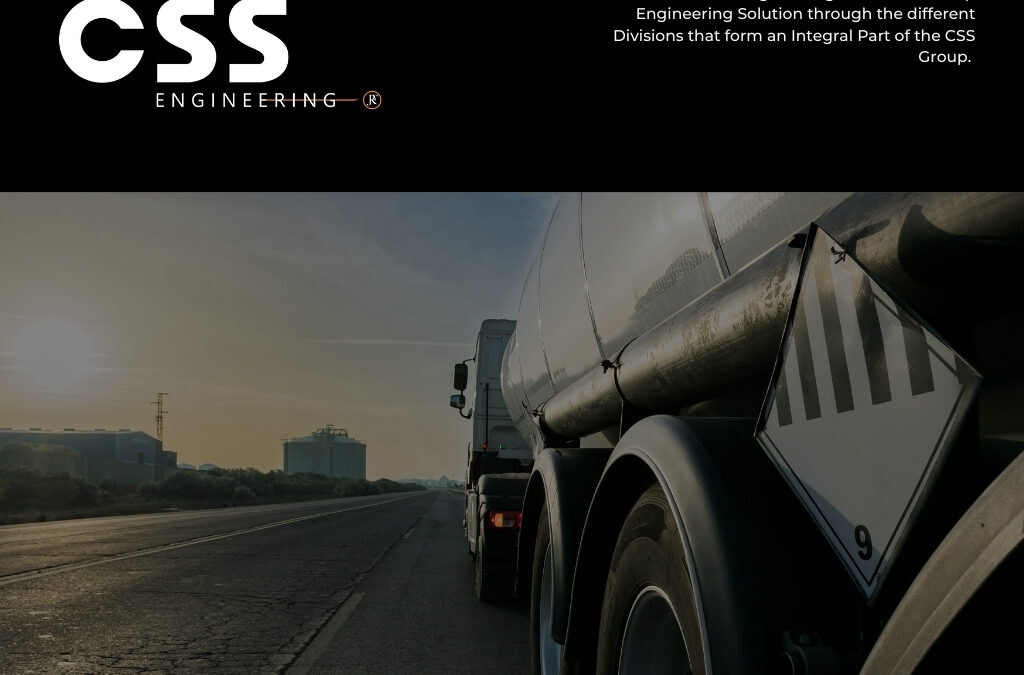
The continuous increase in petrol prices in South Africa can have significant implications for the engineering industry, as it relies heavily on transportation and energy for various aspects of its operations. To address the challenges posed by rising petrol prices, the engineering industry in South Africa can consider the following solutions:
1. Energy Efficiency Measures: Implement energy-efficient technologies and practices across operations. This includes optimizing machinery and equipment to reduce fuel consumption and implementing energy management systems to monitor and control energy usage.
2. Alternative Energy Sources: Invest in alternative and renewable energy sources such as solar panels and wind turbines to generate electricity on-site. This can help reduce dependence on fossil fuels for energy needs.
3. Public Transportation and Carpooling: Encourage employees to use public transportation or carpool to reduce the number of individual vehicles commuting to work sites. Companies can provide incentives or support for such initiatives.
4. Remote Work: Promote remote work options when feasible. This can reduce the need for daily commuting and save employees money on fuel costs.
5. Supply Chain Optimization: Optimize supply chain logistics to minimize transportation distances and reduce fuel consumption. This might involve sourcing materials locally or using more efficient transportation routes.
6. Vehicle Fleet Management: If the industry relies on a fleet of vehicles, invest in fuel-efficient vehicles and adopt telematics systems to monitor and improve driving behaviors, route planning, and maintenance schedules.
7. Fuel Management Programs: Implement fuel management programs to track and control fuel expenses. This can include bulk purchasing, fuel efficiency training, and fuel card programs.
8. Government Incentives: Explore government incentives and grants for adopting green and energy-efficient technologies. In some cases, there might be subsidies for transitioning to electric or hybrid vehicles.
9. R&D and Innovation: Invest in research and development to create more fuel-efficient machinery and processes. Innovations in engineering and technology can lead to substantial cost savings in the long run.
10. Negotiate Supplier Contracts: Negotiate contracts with suppliers to include fuel price adjustment clauses that allow for adjustments in pricing based on fluctuations in fuel costs.
11. Advocacy and Collaboration: Engage in industry advocacy to influence policies related to fuel pricing and taxation. Collaborate with industry associations and government bodies to find sustainable solutions.
12. Diversification: Consider diversifying services or products to reduce reliance on industries that are more heavily impacted by fuel price increases. Explore opportunities in sectors with more stable cost structures.
13. Employee Training: Provide training to employees on fuel-efficient driving techniques and practices, which can lead to reduced fuel consumption for company vehicles.
14. Green Building Practices: If involved in construction or infrastructure projects, incorporate green building practices that promote energy efficiency and reduce long-term operational costs.
15. Client Education: Educate clients about the impact of rising fuel costs on project budgets and timelines. Collaboratively explore cost-effective solutions and project management strategies.
It’s essential for businesses in the engineering industry in South Africa to adapt to the changing energy landscape and take proactive measures to mitigate the impact of rising petrol prices on their operations. A combination of short-term and long-term strategies will be most effective in addressing this challenge.
