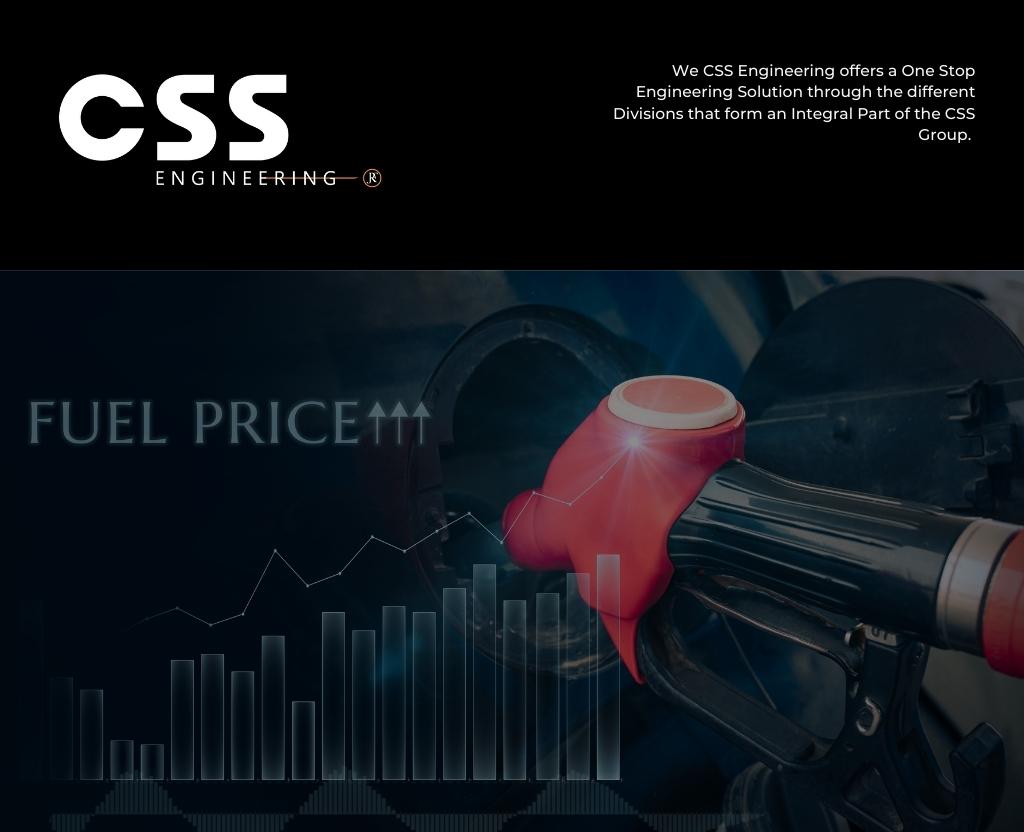

The impact of an increase in petrol prices on the engineering industry in South Africa can be significant and multifaceted. Here are some key ways in which such an increase can affect the industry:
1. Operating Costs: One of the most direct effects is the increase in operating costs for engineering companies. The industry relies heavily on transportation for the delivery of equipment, materials, and personnel to job sites. When petrol prices rise, it becomes more expensive to fuel vehicles and machinery, leading to increased transportation costs. This can cut into profit margins unless these increased costs can be passed on to clients through higher project prices.
2. Project Costs: As transportation costs rise due to higher petrol prices, the overall cost of engineering projects can increase. This may make projects less economically viable, potentially leading to delays or cancellations of projects. Smaller engineering firms may be particularly vulnerable to such cost increases.
3. Inflation: Rising petrol prices can contribute to overall inflation in the economy. Inflation can lead to higher interest rates, which can increase the cost of financing for engineering projects. It may also lead to higher costs for raw materials, which can affect construction projects that rely on steel, cement, and other commodities.
4. Impact on Clients: Engineering companies often serve a variety of clients, including those in the manufacturing, mining, and construction sectors. When petrol prices rise, these clients may also experience increased operating costs. This can, in turn, affect the demand for engineering services, as clients may delay or scale back projects to manage their own costs.
5. Shift Towards Green Technologies: Rising petrol prices can incentivize both the government and private sector to invest in alternative, more fuel-efficient technologies. This shift can create opportunities for engineering firms involved in renewable energy, electric vehicle infrastructure, and energy efficiency projects.
6. Remote Work and Collaboration: To reduce the impact of rising fuel costs, engineering firms may explore options for remote work and collaboration. This can involve utilizing digital tools and technologies for design, project management, and collaboration, potentially reducing the need for extensive travel.
7. Government Policies and Subsidies: The South African government may implement policies or subsidies to mitigate the impact of rising petrol prices on industries like engineering. For example, they may offer tax incentives or grants to encourage the adoption of fuel-efficient vehicles or renewable energy solutions.
8. Labor Costs: In some cases, rising petrol prices can lead to demands for higher wages from employees who need to commute to work. Labor costs are a significant component of engineering projects, so any increase in wages can have an impact on project budgets.
In summary, an increase in petrol prices can have a cascading effect on the engineering industry in South Africa, affecting operating costs, project economics, and overall business viability. How deeply and broadly these effects are felt will depend on the extent of the price increase, the industry’s ability to adapt, and government policies put in place to mitigate the impact.